
Foreclosure? Options Before It's Too Late

If you’re reading this, you’re probably going through one of life’s toughest times: being unable to pay your mortgage.
And when the bank starts sending letters, emails, or calls, fear mixes with confusion: What do I do now? Am I going to lose my house?
Can’t pay your mortgage? Yes, there are options.
💡 First, what happens when you stop paying?
A mortgage is a loan secured by your home. This means that if you don’t pay, the bank can repossess the property through a legal process called foreclosure, in which they sell your house.
And if the sale of the house doesn’t cover the entire debt, the bank can claim the difference. It’s that simple… and that serious.

Before you reach that point, you have real options to avoid losing your property.
📝 Alternatives to Avoid Losing Your Home
1. Refinance Your Mortgage
You can refinance with a new, longer-term loan or a lower interest rate. This can reduce your monthly payment and give you time to stabilize your finances.
You won’t be able to refinance if you’re behind on your mortgage payments; you must do this before you fall behind.
2. Modify Your Loan
Negotiate with the bank to change the terms of your current loan: lower interest rate, longer term, partial reduction of the balance, or lower monthly payments.

3. Temporarily Pause Payments (Forbearance)
If you’re going through a difficult time, such as unemployment or illness, the bank may reduce or suspend payments for a few months.
This is a way to buy time without breaking the contract.
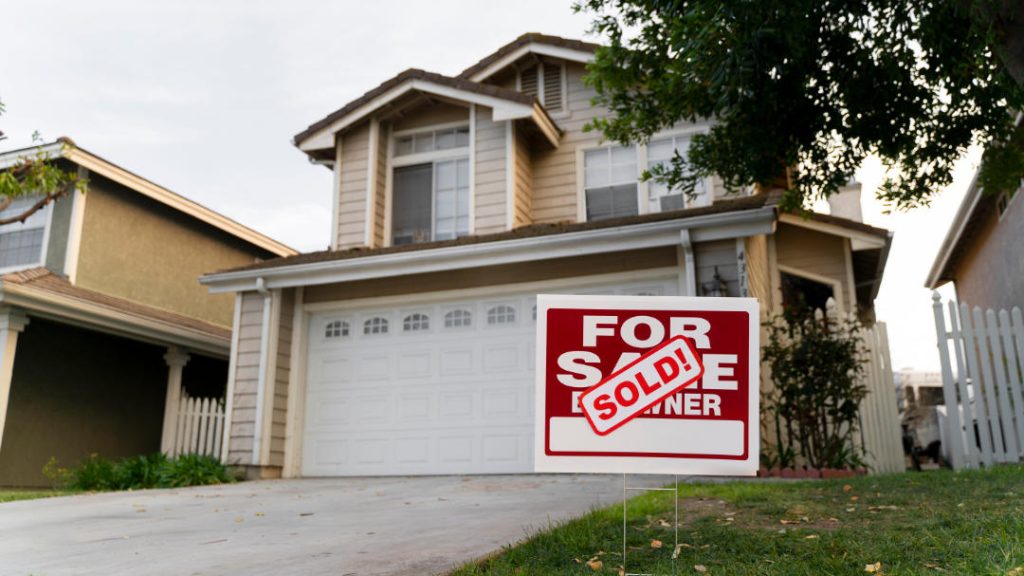
4. Sell the Property Before Foreclosure
If you already know you won’t be able to continue making payments, selling it yourself is a more practical and less expensive option than waiting for a foreclosure auction.
5. Short Sale
When the home’s value is less than the debt, the bank may allow you to sell it for a lower price and eliminate the remaining debt.
This avoids lawsuits and damage to your credit history.
6. Deed in Lieu of Foreclosure
If you can no longer continue making payments, you can surrender the deed to the bank in exchange for settling the debt.
Although it affects your credit, it avoids a lengthy and costly lawsuit.

7. Bankruptcy (Last Resort)
Declaring bankruptcy can temporarily halt the legal process, but it leaves significant marks on your financial history.
This should be your last resort and only considered with professional advice.

⚖️ Never wait for the bank to decide for you
Time is of the essence; every moment you wait to act can close a door.
If you are facing mortgage payment delays, seek professional help before the bank initiates the process.
📞 At Clara Mercado Professional Services we offer you help, call us!
 English
  Spanish